Rockzen USA Construction installs new roofing systems on NYC new construction, building additions, and major renovations. We install TPO, EPDM, modified bitumen, asphalt shingles, and metal roofing across all 5 boroughs. Every install meets NYC Building Code and DOB standards.
Rockzen USA holds active NYC DOB registration and DCWP licensing. Ten years of NYC construction experience back every project. Over 500 completed roofing projects across all 5 boroughs. An A+ Better Business Bureau rating reflects consistent quality.
Rockzen files NYC DOB new building permits and alteration permits through DOB NOW. Property owners never contact the DOB directly. Every filing includes scope, materials, and licensed contractor documentation.
Every install comes with a written warranty. Material warranties run 10 to 30 years depending on the system. Rockzen backs installation workmanship for a minimum of 5 years.
Rockzen coordinates with your architect and structural engineer throughout the install. Roof assembly matches sealed drawings. Insulation R-value, membrane type, and flashing details align with the approved plans.
Rockzen coordinates LPC filings for landmark district projects. Historic material matching and lime mortar detailing apply. LPC approval adds 3 to 8 weeks to the project schedule.
Rockzen coordinates roof installation with building schedules. Our team works with your general contractor to keep the project on track. Every install matches architect drawings and DOB-approved plans.
Rockzen offers free consultations for new construction and building addition projects. Every consultation includes system recommendations, cost estimates, and timeline projections.
Rockzen provides ten roof installation services for NYC residential, commercial, and mixed-use new construction. Licensed contractors handle every install from deck preparation through final DOB inspection.
Rockzen installs new flat roofs using TPO, EPDM, or modified bitumen membranes. Commercial buildings often use white TPO for energy performance. Every install includes tapered insulation for proper drainage slope.
Rockzen installs sloped roofs using asphalt shingles, metal panels, or slate. Brownstones and single-family homes need proper ice and water shield installation. Attic ventilation prevents winter ice dam formation.
Rockzen installs commercial roofing for office buildings, retail, and industrial properties. Systems include single-ply EPDM, TPO membrane, and built-up roof assemblies. Commercial installs handle HVAC equipment loads and rooftop foot traffic.
Rockzen installs TPO using heat-welded seams for watertight joints. White TPO reflects summer heat and can reduce cooling costs measurably. Every install includes proper flashing at parapet walls and penetrations.
Rockzen installs EPDM rubber roofing for residential and commercial flat roofs. Systems use mechanical fasteners or fully-adhered methods. Ice dam prevention includes insulation upgrades and continuous air sealing.
Rockzen installs architectural asphalt shingles on NYC brownstones, rowhouses, and single-family homes. Every install includes underlayment, ice and water shield, and proper attic ventilation. Historic properties may need landmark approval.
Rockzen installs standing seam and corrugated metal roofs. Metal roofing sheds snow to help prevent ice dam formation. Snow retention systems protect pedestrians from sliding snow on steep roofs.
Rockzen installs green roofs and rooftop decks with full waterproofing. Every green roof needs structural load analysis to confirm capacity. Penthouse terrace waterproofing protects the occupied space below.
Rockzen installs skylights, roof hatches, and mechanical penetrations. Curb flashing details prevent water entry around openings. Copper flashing provides long-term durability on premium installs.
Rockzen installs interior drains, scuppers, and overflow protection. Every drainage design follows proper slope calculations. Systems help prevent standing water beyond 48 hours after rainfall.
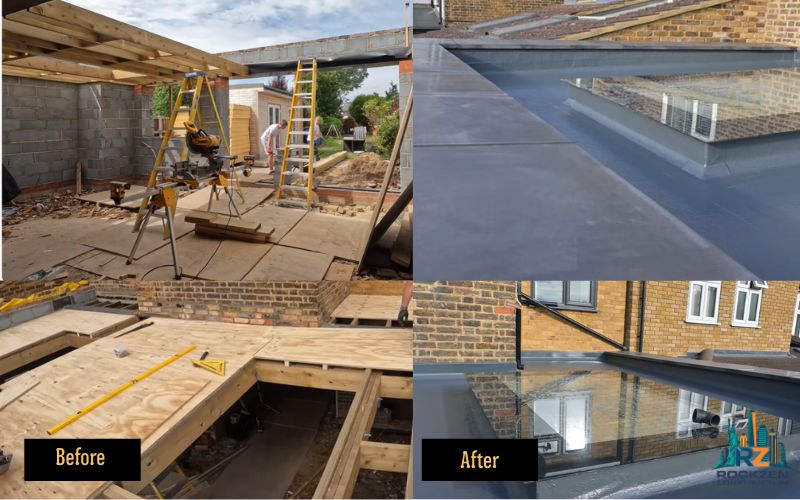
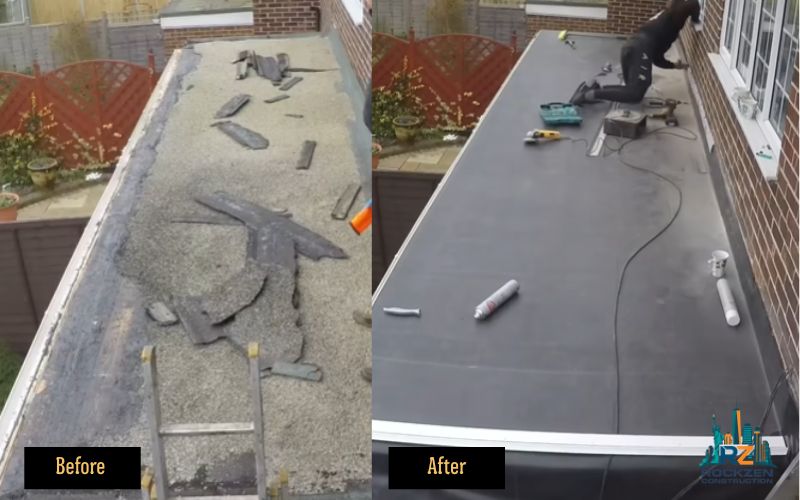
Here’s how Rockzen runs the whole install from plan review to final DOB sign-off. Every step meets NYC Building Code and manufacturer specifications.
Rockzen reviews your building plans against NYC energy code. We analyze roof load capacity and drainage design. We check the parapet coping needs at the same time. We help you pick a system that fits your budget and lifespan needs.
Rockzen submits new building permits to NYC DOB using your architectural drawings via DOB NOW. Submissions cover insulation R-value (thermal resistance rating), membrane type, and flashing details. At this stage, we handle scaffolding and safety net approvals. This keeps your build on schedule.
Rockzen verifies the roof deck supports the full roof assembly. The contractor confirms the drainage slope before the insulation is installed. Low-slope insulation installs over the deck. A vapor retarder blocks moisture from moving through the assembly. Continuous insulation reduces thermal bridging. This means less heat escapes through structural parts. It also meets NYC energy code requirements. At this stage, the team designs proper roof ventilation.
Rockzen installs the vapor barrier to block interior moisture from reaching the insulation. Placement depends on your building’s cold roof or warm roof design. Membrane underlayment provides secondary waterproofing before the primary membrane goes on. Ice and water shield installs at eaves and valleys to help prevent ice dam damage.
Rockzen installs the membrane using the right method for your system. Workers heat-weld seams in TPO to create permanent watertight joints. EPDM installs fully-adhered (glued to substrate) or mechanically-fastened. Modified bitumen goes torch-applied or cold-applied based on fire safety needs. Asphalt shingles install with proper alignment and starter courses on sloped roofs.
Rockzen installs flashing at parapet walls, skylights, and every roof penetration. Copper flashing on premium installs for long-term durability. Scuppers, drains, and overflow protection help prevent ponding water. Installers place drip edge and gutters at the roof perimeter to direct water off the roof.
NYC DOB inspectors verify the install meets approved plans and Building Code. Rockzen coordinates the inspection and addresses any items the inspector flags. Certificate of Occupancy gets issued once the roof passes inspection. See our roof repair services for post-install maintenance and warranty coverage details.
New NYC buildings use seven main roofing systems. Each fits different building types and performance needs.
White single-ply membrane heat-welded at seams. Reflects heat and can reduce cooling costs. Meets NYC energy code reflectance requirements. Lasts 15 to 25 years.
Black rubber membrane mechanically fastened or fully adhered. Handles freeze-thaw cycles well. Absorbs more heat than TPO but costs less. Lasts 20 to 30 years.
Layered asphalt torch-applied or cold-adhered. Handles foot traffic and rooftop equipment better than single-ply. Two-ply systems last 15 to 20 years. Cold-applied removes torch safety concerns.
Architectural shingles on brownstones, rowhouses, and single-family homes. Better wind resistance than three-tab styles. Lasts 15 to 25 years with proper ventilation.
Standing seam panels or copper roofing on commercial and residential. Sheds snow to help prevent ice dams. Concealed fastener systems remove exposed screw weathering. Lasts 40 to 60 years.
Vegetation over waterproofing membrane. Manages stormwater runoff. Extensive systems support sedum with minimal maintenance. Intensive systems allow rooftop gardens with deeper soil.
Many asphalt layers with reinforcing fabric. Gravel ballast protects the top surface. Durable but heavy and needs strong structural support. Lasts 20 to 30 years.
Every install includes several components working together:
Real numbers. Here’s what NYC roof installation actually runs on a 1,500 to 2,000 square foot roof.
| Material Type | Cost Per Sq Ft (Installed) | Typical Total Cost (1,500 to 2,000 sq ft) |
|---|---|---|
| Flat Roof Membrane (TPO / EPDM) | $7.48 to $12.65 | $13,000 to $27,500 |
| Modified Bitumen | $6.00 to $10.00 | $9,000 to $20,000 |
| Architectural Shingles | $5.00 to $9.00 | $10,000 to $22,000 |
| Metal Roofing (Standing Seam) | $10.00 to $17.85 | $20,000 to $42,500 |
| Natural Slate | $18.00 to $35.00 | $35,000 to $70,000+ |
Materials cover 40 to 50 percent of total install cost. Labor covers 35 to 45 percent for skilled crews. Permits, equipment rental, and disposal fees cover the rest.
NYC roof installation takes 1 to 6 weeks depending on roof size, material, and weather. Coordination with the general contractor keeps Certificate of Occupancy on track.
| Project Type | Timeline |
|---|---|
| Residential sloped roof | 1 to 2 weeks after deck completion |
| Residential flat roof | 2 to 3 weeks including drainage |
| Commercial flat roof (typical) | 2 to 4 weeks |
| Large commercial with insulation | 4 to 8 weeks |
| Building addition roof | 1 to 3 weeks |
| Rooftop deck or green roof | 3 to 5 weeks including structural |
Materials cover 40 to 50 percent of total install cost. Labor covers 35 to 45 percent for skilled crews. Permits, equipment rental, and disposal fees cover the rest.
NYC DOB permit processing adds 4 to 8 weeks to new construction timelines. Alteration permits for building additions process in 2 to 4 weeks. Final inspection scheduling takes 1 to 2 weeks after completion.
NYC roof installation on new construction and most building additions needs Department of Buildings permits. Understanding permit requirements helps prevent DOB stop-work orders.
New building permits need sealed architectural and engineering drawings showing roof assembly. Applications include specifications for membrane type, insulation R-value, and fire-rated assembly details. Processing takes 4 to 8 weeks through DOB NOW.
Building addition permits cover rooftop extensions and vertical expansions. Applications show how new roofing integrates with existing systems. Landmark buildings need LPC approval before DOB filing.
NYC building inspectors verify installation meets approved plans. Inspections check insulation, membrane seam integrity, and flashing details. Failed inspections need corrections before Certificate of Occupancy.
Certificate of Occupancy needs a passing final roof inspection. Inspectors confirm the roof assembly matches permitted drawings. Temporary COs allow occupancy while minor roof punch-list items complete.
Over 36,000 LPC-designated landmark structures in NYC need LPC approval before roofing work. Material specifications must match original construction or receive LPC substitution approval. LPC approval adds 3 to 8 weeks to the timeline.
Rockzen USA offers roof installation across all 5 NYC boroughs. Same day emergency response citywide.
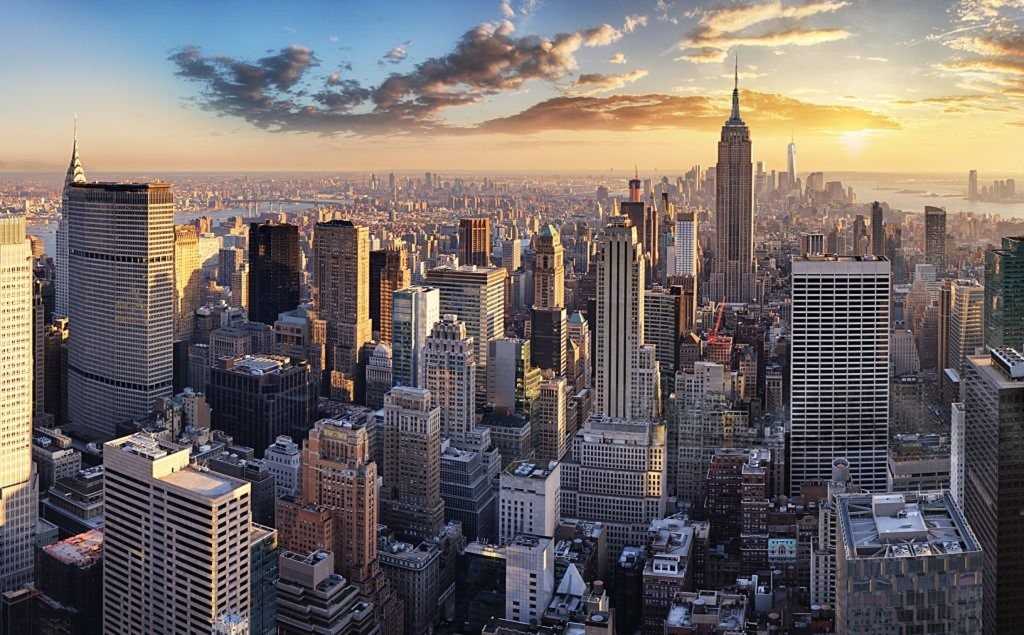
Rockzen USA n offers roof installation across Manhattan. High-rise commercial towers and historic brownstones. Landmark districts need LPC permits before installation begins. Limited street access requires careful material delivery coordination.

Rockzen USA offers roof installation across Brooklyn. Brownstone and rowhouse new construction concentrated in Park Slope, Carroll Gardens, and Brooklyn Heights. Historic material compatibility needed. Commercial corridors along Atlantic Avenue and Flatbush Avenue commonly use TPO flat roofing.
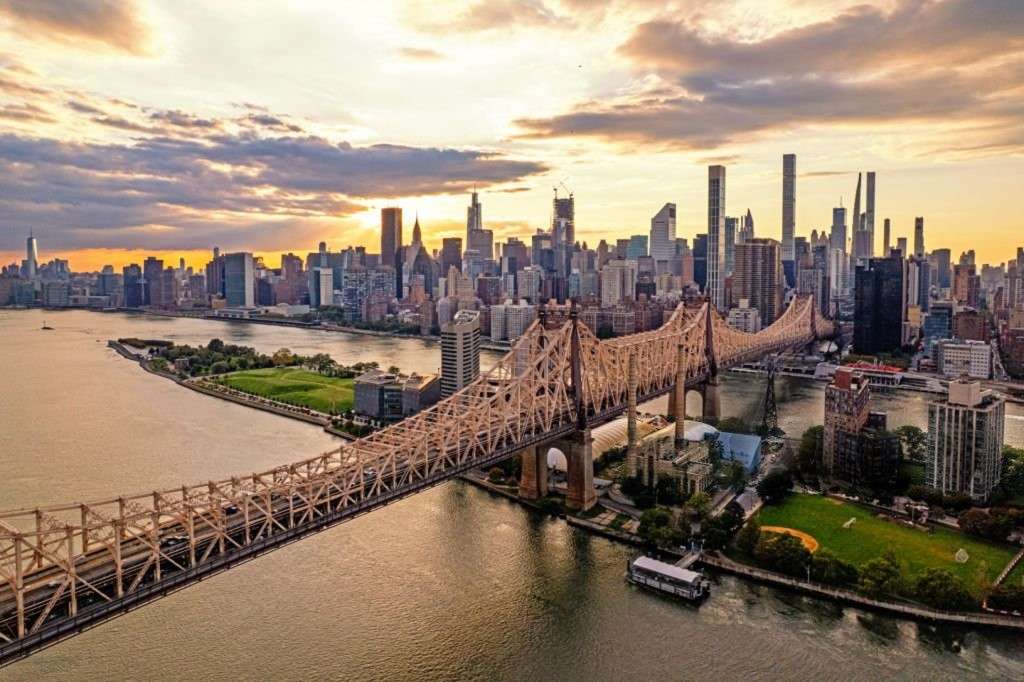
Rockzen USA offers roof installation across Queens. Astoria, Long Island City, and Forest Hills see active new construction. Post-war residential neighborhoods often need staged install around occupied units. Multi-family projects common along Queens Boulevard.
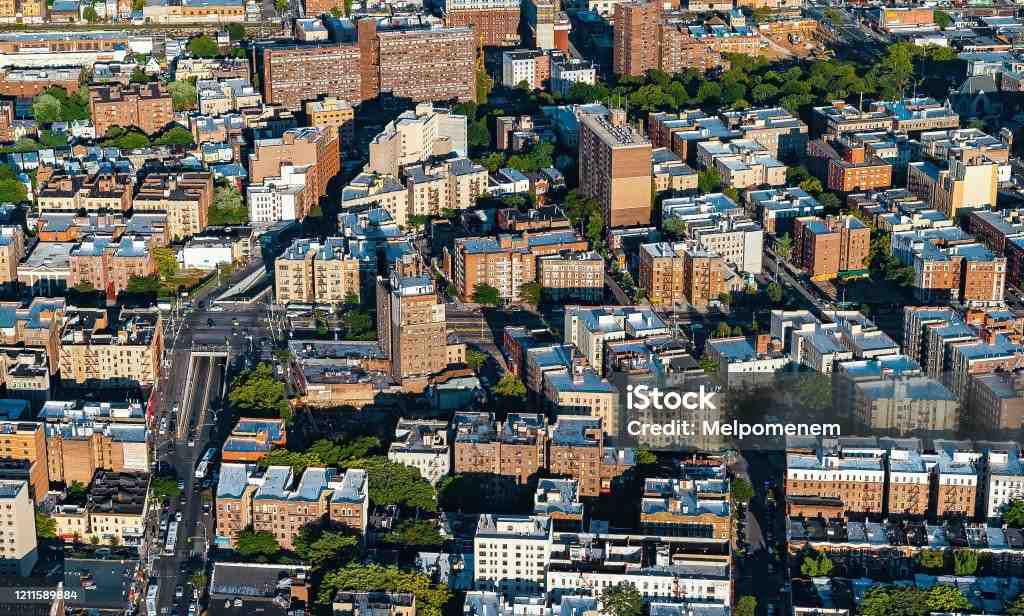
Rockzen USA offers roof installation across the Bronx. Mixed-use development along Grand Concourse and major corridors. Riverdale and Pelham Bay residential projects use asphalt shingles or metal roofing. Commercial flat roof installs need proper drainage to prevent ponding.
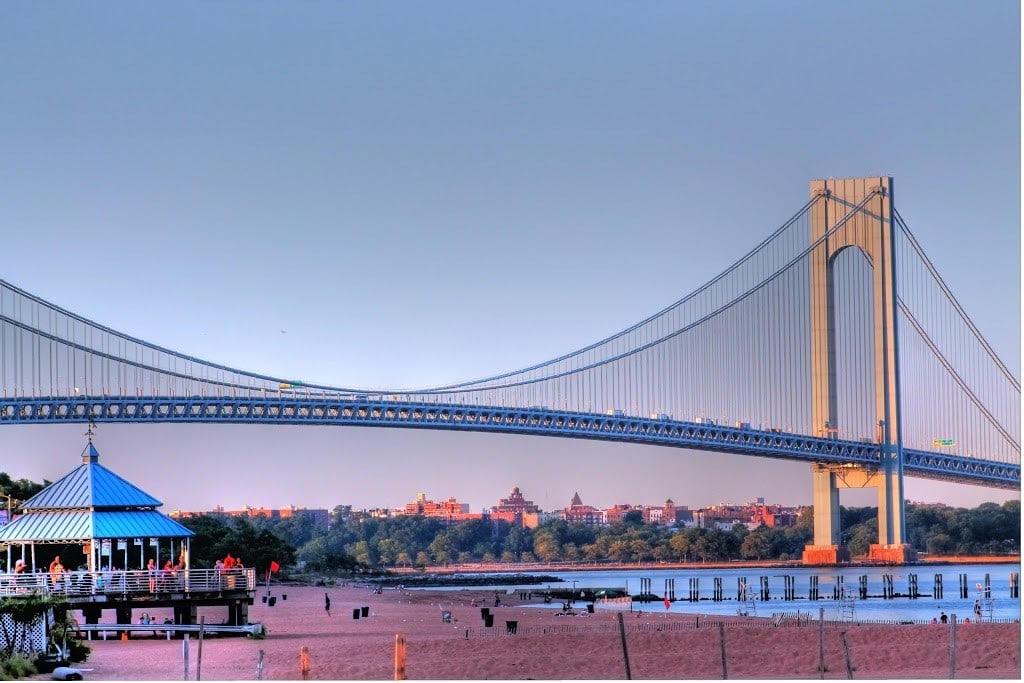
Rockzen USA offers roof installation across Staten Island. Residential new construction often uses sloped roofing with asphalt shingles. Single-family homes benefit from improved attic insulation and ventilation. Commercial properties along Richmond Avenue and Hylan Boulevard use TPO or EPDM.
Installation applies new systems to bare roof decks on new buildings or additions. Replacement tears off existing materials before installing new roofing. Installation coordinates with new construction schedules.
New buildings need NYC DOB new building permits. Building additions need alteration permits. All installations need final inspection before Certificate of Occupancy approval.
TPO and EPDM work well for flat roofs handling freeze-thaw cycles. Asphalt shingles suit sloped residential roofs. Metal roofing provides the longest lifespan at 40 to 60 years.
Yes. NYC energy code requires vapor barriers blocking interior moisture from reaching insulation. Proper placement depends on cold roof or warm roof design.
TPO is white heat-welded membrane lasting 15 to 25 years and reflecting heat. EPDM is black rubber lasting 20 to 30 years and absorbing more heat. TPO costs more but can reduce cooling costs.
NYC energy code requires minimum R-30 insulation for flat roofs. Continuous insulation improves thermal performance. Thicker insulation reduces energy costs over time.
Vegetation layers over waterproofing membrane. Manages stormwater runoff and adds building insulation. Structural analysis confirms roof load capacity before install begins.
Proper slope design drains water to scuppers or interior drains. Tapered insulation creates slope on flat structural decks. Water should drain within 48 hours after rainfall.
Yes. Solar-ready installation includes structural support and electrical conduit. Coordinate solar panel installation with your roofing contractor. NYC offers solar installation incentives.
Limited work happens below 40 degrees Fahrenheit. TPO heat welding and asphalt shingles need warmer conditions. Modified bitumen installs year-round with proper techniques.
Yes. Landmark buildings need NYC Landmarks Preservation Commission approval. LPC reviews materials, colors, and installation methods. Approval adds 3 to 8 weeks.
Layered asphalt torch-applied or cold-applied. Two-ply systems provide redundant waterproofing. Lasts 15 to 20 years. Handles foot traffic better than single-ply.
Final NYC DOB inspection confirming roof installation meets approved plans. Inspectors verify insulation, membrane, and flashing. Passing inspection allows building occupancy.
Structural ability to support roofing, equipment, and snow. Green roofs need 40+ pounds per square foot capacity. Engineering analysis confirms structural adequacy before install.
Rockzen USA offers free Manhattan sidewalk inspections. Written estimates come before any work begins. Emergency response runs within 24 hours across every Manhattan neighborhood.