Local Law 11 deadline approaching? Rockzen Construction restores NYC building facades, brick, stone, terra cotta, and concrete — across all five boroughs. We coordinate your QEWI inspection, file every DOB document, and complete FISP-compliant repairs on time, backed by a written completion guarantee.
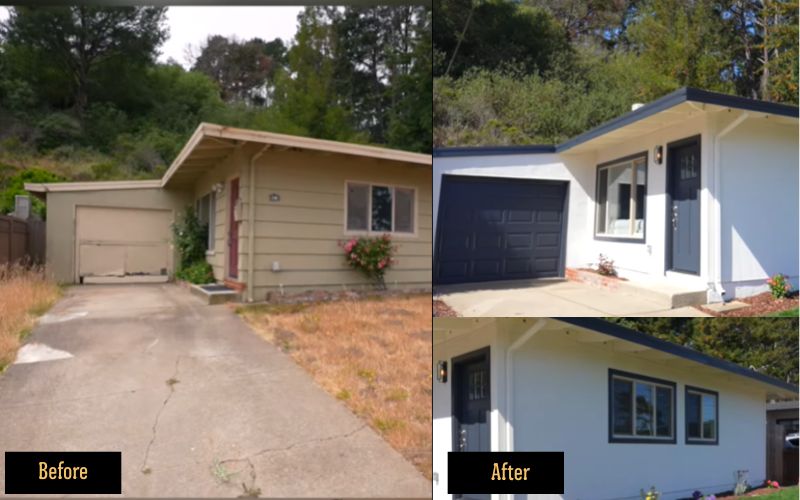
Facade restoration is a complete building envelope repair, reinforcing, and renewing the exterior process. Restoration addresses the full exterior wall system from foundation to roofline. Simple repair addresses isolated damage on one section only.
Building facades contain 6 restorable material types:
Rockzen Construction provides 9 facade restoration services for residential, commercial, and historic buildings across all 5 NYC boroughs. Every service is performed by licensed contractors coordinated with Qualified Exterior Wall Inspectors (QEWI) and NYC DOB-registered engineers. All work delivers fully compliant, durable, and reliable FISP outcomes for every building owner.
Deteriorated mortar joints allow water deep into NYC building facades. Rockzen removes failed mortar and installs fresh composition matched mortar throughout affected wall sections. Reliable brick pointing stops water infiltration and restores long lasting structural integrity to masonry facades across all building heights.
Natural stone facades including limestone, brownstone, and granite deteriorate through water infiltration and freeze thaw cycling. Rockzen restores and replaces deteriorated stone units using materials matching the original facade specification. Stone restoration preserves both structural integrity and historic character on NYC landmarks and pre war buildings.
Stucco exterior walls develop cracks, voids, and delamination from NYC weather cycles. Rockzen repairs stucco facades using NYC DOB approved patching systems and protective coatings. Repaired stucco walls restore durable, weather resistant protection to the full building exterior reliably.
Damaged parapet walls trigger Unsafe classifications from the NYC DOB during FISP Critical Examinations. Rockzen repairs coping stones, brick courses, and mortar joints at the building roofline. Every parapet repair returns buildings to safe, compliant conditions satisfying FISP Safe classification requirements.
Corroded steel lintels expand through rust jacking and fracture surrounding brick above window openings. Rockzen removes deteriorated lintels and installs durable, code compliant steel or masonry replacements. Window Lintel repair restores structural integrity to window openings across the full building facade reliably.
Water infiltration drives facade deterioration from SWARMP to Unsafe condition across multiple FISP cycles. Rockzen applies NYC DOB approved elastomeric coatings, crystalline waterproofing systems, and penetrating silane sealers. Long lasting waterproofing protects the full building envelope and improves energy performance measurably.
Historic facade restoration requires NYC Landmarks Preservation Commission (LPC) approval before any exterior work begins. LPC coordinates directly with the NYC DOB on permit approvals for landmark designated properties. Rockzen performs historic restoration using hydraulic lime mortar, matching terra cotta units, and LPC approved materials preserving original facade character.
FISP Critical Examinations identify SWARMP and Unsafe conditions requiring immediate restoration action. Rockzen coordinates QEWI inspections, prepares all 4 required DOB filing documents, and performs all restoration work within each building’s FISP sub cycle deadline. Every Local Law 11 FISP repair project closes with a written completion guarantee and DOB filing confirmation.
Rockzen Construction manages NYC facade restoration across six steps. The process runs from QEWI Critical Examination through final FISP compliance filing. Every step is documented and permit coordinated. Property owners have no direct city agency contact throughout the process.
A NYC DOB-authorized QEWI conducts the Critical Examination of the full building envelope. The QEWI physically inspects exterior walls, parapet walls, cornices, balconies, and window lintels. Every SWARMP and Unsafe condition is documented with photographic evidence for NYC DOB submission.
A licensed Professional Engineer (PE) or Registered Architect (RA) reviews the full condition assessment. Structural conditions including bulging walls, tie failure, and lintel corrosion require engineering analysis. Analysis must complete before restoration begins.
Rockzen Construction sources restoration materials to match the original facade composition. Pre war buildings require lime based or hydraulic lime mortar rather than Portland cement. Landmark buildings require LPC approved terra cotta, limestone, and brownstone units from specialty manufacturers.
Brick repointing removes deteriorated mortar joints and replaces them with fresh composition matched mortar. Parapet repairs, lintel replacements, stone restoration, and cornice stabilization complete per the approved scope. Mast climbers provide safe access on high rise buildings above 10 stories (30 meters).
Elastomeric coatings, crystalline systems, and penetrating silane sealers apply across all restored surfaces. Waterproofing seals the full building envelope against water infiltration at every penetration point.
The NYC DOB-authorized QEWI conducts a final inspection of all completed restoration work. The QEWI verifies every SWARMP and Unsafe condition has been remediated to Safe designation. The QEWI files the updated FISP compliance report directly with the NYC DOB.
NYC facade restoration costs between $5,000 and $1,000,000 or more. Cost depends on building height, facade material, deterioration extent, and restoration scope. Small buildings with minor SWARMP conditions start from $5,000. Large landmark buildings requiring full envelope restoration reach $1,000,000 or more.
| Project Scope | Typical Cost | Typical Work |
|---|---|---|
| Minor Repairs | $5,000 – $50,000 | Mortar repointing, crack sealing, window caulking, power washing |
| Moderate Restoration | $50,000 – $250,000 | Steel lintels, brick replacement, waterproofing |
| Major Structural Restoration | $250,000 – $1,000,000+ | Masonry walls, parapet reconstruction, terra cotta restoration |
NYC facade restoration takes between 2 weeks and 18 months. Timeline depends on deterioration extent, building height, and NYC DOB permit approvals. Buildings with Unsafe classifications begin emergency restoration mobilization within 48 to 72 hours of contractor engagement.
Starting restoration 6 to 9 months before the FISP sub-cycle deadline ensures on time, reliable DOB filing. Early planning eliminates penalty risk and provides sufficient time for material sourcing, permit approval, and full restoration execution.
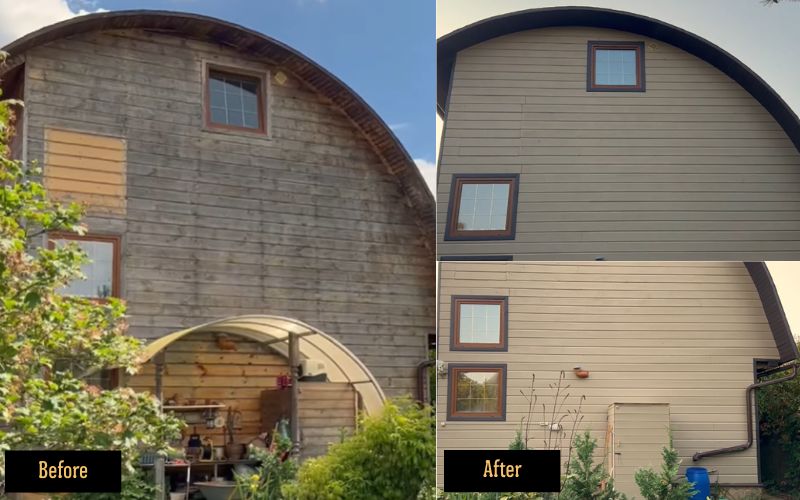
Choosing the wrong facade restoration contractor costs more than the repair itself. Missed FISP deadlines, failed DOB inspections, and open violations stack up fast on NYC buildings. Rockzen Construction has earned the trust of NYC building owners across all 5 boroughs through verified results, deep licensing, and 10 plus years of hands-on facade restoration experience.
Facade Restoration in Manhattan:
Manhattan building stock includes pre-war masonry towers, high-rise residential buildings, and over 1,400 individual landmark-designated structures. Primary facade materials include brick, terra cotta, limestone, and glass curtain wall systems on commercial towers. Landmark compliance, height access using mast climbers, and LPC coordination are the 3 primary restoration challenges in Manhattan.
Facade Restoration Brooklyn:
Rockzen is top rated brooklyn Facade restoration services across brooklyn. Brooklyn building stock includes brownstone rowhouses, brick residential buildings, and mixed-use commercial properties across neighborhoods from Park Slope to Williamsburg. Brownstone reconstitution, lime-based mortar restoration, and brick repointing are the most common restoration services across Brooklyn facades. Many Brooklyn brownstones require hydraulic lime mortar and specialty brownstone reconstitution compound for authentic, durable results.
Facade Restoration Contractor Queens:
Rockzen Construction offers Facade restoration services Queens. Queen building stock includes post-war residential apartment buildings, mixed-use commercial facades, and concrete construction from the 1950s through 1980s. Concrete spalling, balcony deterioration, and sealant failure are the primary facade restoration challenges across Queens buildings. Polymer-modified concrete repair and full waterproofing membrane replacement address post-war Queens facade deterioration effectively.
3. Facade Restoration Bronx
Rockzen offers Facade restoration services across the Bronx. The Bronx contains dense concentrations of pre-war brick apartment buildings, institutional facades, and mixed residential stock across neighborhoods including the Grand Concourse historic district. Mortar joint failure, terra cotta deterioration, and rust jacking at window lintels are the primary restoration challenges across Bronx pre-war building stock. High-volume residential restoration and FISP compliance work represent the dominant restoration scope across the Bronx.
Facade Restoration Staten Island:
We offer Facade restoration in Staten Island. Staten Island building stock includes low-rise and mid-rise residential buildings with masonry, stucco, and aluminum exterior walls. Weather exposure from New York Harbor increases stucco delamination, sealant failure, and water infiltration rates across Staten Island facades. Stucco repair, waterproofing reapplication, and masonry repointing are the most common restoration services across Staten Island buildings.
NYC building facades face 5 primary deterioration causes. Each cause damages specific facade components in predictable patterns. Identifying these causes early helps building owners avoid Unsafe condition classifications from the NYC Department of Buildings (DOB).
Cracked Masonry and Loose Bricks:
Mortar joints in NYC masonry facades have a natural lifespan of 25 to 30 years. After that point, mortar carbonates, shrinks, and loses adhesion to surrounding brick units. Loose bricks create open pathways for water infiltration deep into the building envelope.
Cracked masonry triggers SWARMP classifications during FISP Critical Examinations. Early repointing stops deterioration before loose brick conditions develop. Composition-matched mortar restores joint integrity and extends facade lifespan reliably.
Water Penetration and Interior Leaks:
Water infiltration enters facades through failed mortar joints, cracked sealants, and deteriorated window lintels. Once inside the building envelope, water migrates through masonry and reaches interior wall systems. Interior leaks signal advanced facade deterioration requiring immediate professional assessment.
NYC buildings experience over 45 inches (114 centimeters) of annual rainfall. Constant moisture exposure accelerates mortar joint failure, efflorescence formation, and spalling in brick and concrete facades. Efflorescence: white salt deposits on facade surfaces: signals active water infiltration moving through masonry from inside. Waterproofing membranes and elastomeric sealants block water infiltration at the building envelope level, eliminating efflorescence and interior leak risk.
H3: Bulging Exterior Walls and Structural Movement
Bulging exterior walls indicate tie failure between the facade wythe and structural backing wall. Steel wall ties corrode over decades and lose tensile strength needed to hold the facade in place. Bulging conditions receive Unsafe classifications from the NYC DOB requiring sidewalk shed installation within 24 hours.
Structural movement from foundation settlement causes diagonal facade cracking at building corners. A licensed Professional Engineer (PE) or Registered Architect (RA) must assess bulging and structural movement before restoration begins. Early structural assessment prevents minor movement from becoming full facade collapse.
Rust Stains and Corroded Steel Supports:
Rust stains on NYC building facades signal active steel corrosion inside the masonry system. Steel window lintels, shelf angles, and wall ties corrode when water infiltrates the building envelope. Corroded steel expands up to 10 times original volume: a process called rust jacking.
Rust jacking creates horizontal crack patterns directly above window openings. Internal steel expansion fractures surrounding brick and concrete from the inside outward. Lintel replacement eliminates rust jacking damage and restores structural integrity to affected wall sections reliably.
Falling Debris and Unsafe: Facade Conditions
Falling facade debris represents the most serious safety hazard on NYC building exteriors. Deteriorated terra cotta units, loose brick, cracked cornices, and spalling concrete create falling hazards on NYC sidewalks below. The NYC DOB classifies active falling hazard conditions as Unsafe during FISP Critical Examinations.
Buildings receiving Unsafe classifications must install a protective sidewalk shed within 24 hours. An emergency repair plan must reach the NYC DOB within 2 business days. Prompt facade restoration eliminates falling hazards and returns buildings to Safe condition reliably.
Facade restoration delivers 6 direct benefits for NYC building owners across residential and commercial properties. The NYC DOB issued over 1,300 facade-related violations in 2023 for FISP non-compliance. Proactive restoration protects owners, tenants, and pedestrians across all 5 boroughs.
1. Public Safety:
Deteriorated facades pose direct falling hazards to pedestrians on NYC sidewalks. Loose brick, spalling concrete, and cracked terra cotta units drop without warning from building heights. Timely facade restoration eliminates falling hazards and protects public safety on NYC streets.
2. Compliance with Local Law 11 FISP:
Local Law 11 requires every NYC building taller than 6 stories to file a FISP inspection report every 5 years. Non-compliant buildings face DOB penalties starting at $1,000 per month. Facade restoration resolves SWARMP and Unsafe conditions and satisfies FISP filing requirements reliably.
3. Structural Integrity:
Facade deterioration progresses from surface cracking to structural failure across 2 or more FISP cycles. Water infiltration, rust jacking, and mortar joint failure weaken the full building envelope over time. Early restoration preserves structural integrity and prevents costly emergency repairs down the road.
4. Preventing Water Damage:
Water infiltration through deteriorated facades causes interior wall damage, mold growth, and insulation failure. Waterproofing membranes, elastomeric coatings, and repointed mortar joints block water at the building envelope level. Proper waterproofing protects interior building systems and reduces long-term maintenance costs significantly.
5. Property Value and Aesthetics:
NYC buildings with current FISP compliance status maintain higher property values in the real estate market. Compliant, well-maintained facades attract qualified residential and commercial tenants across all 5 boroughs. Facade restoration improves both curb appeal and building marketability where first impressions matter most.
6. Energy Efficiency:
Deteriorated facades allow air leakage through failed mortar joints, cracked sealants, and open penetrations. Building envelope air leakage increases heating and cooling costs in NYC residential and commercial buildings. Facade restoration and waterproofing reduce air leakage and improve overall building energy performance measurably.
The NYC Department of Buildings (DOB) enforces Local Law 11 facade inspection and restoration requirements. Every building taller than 6 stories across all 5 boroughs must comply. The Facade Inspection Safety Program (FISP) divides compliance into 8 sub-cycles based on building block numbers. Each sub-cycle carries an 18-month filing window within the 5-year FISP cycle.
1. Facade Inspection Requirements:
Only a Qualified Exterior Wall Inspector (QEWI) can perform FISP Critical Examinations and file reports. The QEWI must be a NYC DOB-authorized licensed Professional Engineer or Registered Architect. FISP filing requires 4 documents: condition assessment report, repair scope, photographic evidence, and signed QEWI certification.
Arranging QEWI coordination 6 to 9 months before the sub-cycle deadline ensures reliable, penalty-free compliance. Early inspection scheduling gives sufficient time for material sourcing, permit approval, and full restoration completion. Building owners who act early protect both their properties and their budgets reliably.
2. Permits for Restoration Work:
NYC facade restoration requires 4 permit types before work begins:
Scaffolding permit: Required before any scaffolding or mast climber installation begins
Sidewalk shed permit: Required for all sidewalk shed installations around the building perimeter
Alteration permit: Required for structural facade repairs including lintel and parapet work
LPC approval: Required for all exterior work on landmark-designated buildings before any permit submission
Permit approvals typically take 2 to 6 weeks from submission to NYC DOB approval. LPC approvals for landmark buildings may take 4 to 8 weeks depending on restoration scope and material review requirements.
3. Coordination with QEWI:
The QEWI performs both the initial Critical Examination and the final post-restoration inspection. The QEWI files the updated FISP compliance report directly with the NYC DOB after verifying all restoration work. No other professional holds this filing authorization under NYC DOB regulations. QEWI coordination from day one ensures every restoration project meets DOB filing requirements reliably.
4. Consequences of Non-Compliance
Non-compliance with FISP requirements produces 4 serious consequences for NYC building owners:
DOB violation penalties starting at $1,000 per month
Penalty escalation to $5,000 per month after 12 months
Mandatory sidewalk shed installation for Unsafe conditions within 24 hours
Open violations remaining on building record until all repairs are verified and filed
Arranging QEWI coordination and restoration work well before the sub-cycle deadline prevents every one of these outcomes. Proactive compliance protects building owners from penalties, liability exposure, and emergency repair costs across all 5 NYC boroughs.
NYC facade restoration requires specific materials matched to building age, facade type, and NYC DOB specifications. Using wrong materials causes accelerated deterioration and failed FISP inspections. Material selection determines both restoration durability and NYC DOB compliance outcomes.
1. Masonry and Brick Restoration Materials:
Masonry restoration material selection depends on building age and original construction method:
Composition-matched mortar: Custom mixed to match original brick color, texture, and porosity
Hydraulic lime mortar: Required for pre-Civil War masonry buildings built before 1860
Natural lime mortar: Standard for pre-war buildings constructed between 1860 and 1940
Portland cement mortar: Used only for post-war concrete masonry constructed after 1945
Replacement brick units: Matched to original color, size, and texture specification
Portland cement mortar must never be applied to pre-war lime-based masonry. The rigidity differential causes surrounding historic brick to spall and crack within 5 to 10 years of application.
2. Waterproofing Materials for NYC Building Facades:
NYC building facades require 4 primary waterproofing material types depending on surface and application:
Elastomeric waterproofing coatings: Applied to brick, concrete, and stucco exterior wall surfaces
Crystalline waterproofing systems: Penetrate concrete and block water infiltration from inside the substrate
EPDM membranes: Applied to horizontal parapet caps and balcony deck surfaces
Penetrating silane sealers: Applied to brick and limestone facades requiring breathable water protection
Material selection must match the facade substrate precisely. Crystalline waterproofing bonds chemically with concrete substrates. Silane sealers penetrate masonry pores without forming a surface film. Each system provides durable, long-lasting protection when correctly matched to the facade material.
Historic Facade Restoration Materials
Historic and landmark facade restoration requires 5 specialist material types:
Matching terra cotta units: Sourced from specialty manufacturers producing clay-fired units matching original color and profile
Indiana limestone replacement units: Cut to match original stone coursing dimensions precisely
Brownstone reconstitution compound: Applied to deteriorated brownstone surfaces to restore original texture
Hydraulic lime mortar: Matched to original historic mortar composition through laboratory analysis
LPC-approved protective coatings: Reviewed and approved by the NYC Landmarks Preservation Commission before application
All historic restoration materials require NYC Landmarks Preservation Commission (LPC) approval. LPC reviews material specifications and coordinates with the NYC DOB on permit approvals for every landmark-designated property.
Yes. NYC DOB requires sidewalk shed installation before facade restoration work begins on buildings above street level. Unsafe condition buildings must install a sidewalk shed within 24 hours of the Unsafe classification. Sidewalk sheds protect pedestrians on NYC sidewalks during active restoration work.
NYC facade deterioration has 5 primary causes: mortar joint failure, water infiltration, freeze-thaw cycling, rust jacking at steel lintels, and structural movement. Each cause damages specific facade components in predictable patterns. Early detection through annual inspections prevents minor deterioration from reaching Unsafe condition status.
Building owners should verify 4 credentials before hiring: NYC DOB registration, NYC DOT license, general liability insurance, and FISP compliance experience. Contractors with QEWI coordination capability and verified BBB ratings provide the most reliable FISP compliance outcomes. Written completion guarantees protect building owners throughout the full restoration process.
Yes. NYC Landmarks Preservation Commission (LPC) approval is required before any exterior restoration work begins on landmark-designated buildings. LPC coordinates directly with the NYC DOB on permit approvals for designated properties. Restoration materials must match original historic specifications and meet LPC material requirements precisely.
Buildings receiving SWARMP classifications must complete repairs before the FISP sub-cycle filing deadline. Buildings receiving Unsafe classifications must install a sidewalk shed within 24 hours and submit an emergency repair plan within 2 business days. Penalties start at $1,000 per month until all repairs are completed and the FISP report is filed.
Proactive facade maintenance reduces long term restoration costs significantly for NYC building owners. The table below shows the recommended preventative maintenance schedule for NYC building facades.
Pre winter brick pointing prevents freeze thaw damage from entering open mortar joints during cold months. Spring crack sealing closes facade openings before summer rainfall increases water infiltration risk. Seasonal maintenance keeps NYC building facades in reliable, compliant condition throughout the year.
NYC building facades require professional assessment at 4 key intervals:
Early detection through regular inspections prevents minor SWARMP conditions from escalating to Unsafe classifications. Buildings with consistent maintenance records demonstrate compliance history to NYC DOB inspectors and insurance providers reliably.
Early detection through regular inspections prevents minor SWARMP conditions from escalating to Unsafe classifications. Buildings with consistent maintenance records demonstrate compliance history to NYC DOB inspectors and insurance providers reliably.