Rockzen Construction is a licensed NYC brick pointing and tuckpointing contractor. We restore mortar joints on brownstones, apartments, commercial buildings, and landmark facades. Every project meets NYC DOB standards. We file all permits and provide a written completion guarantee.
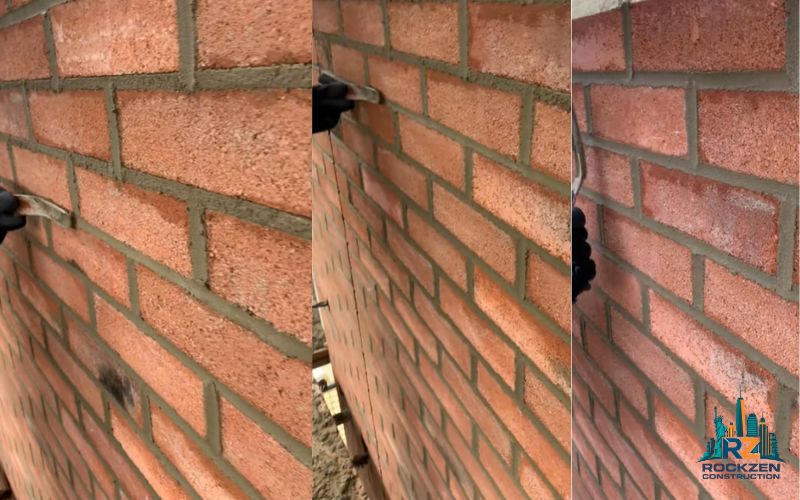
Brick pointing is the process of removing deteriorated mortar from masonry joints. New mortar replaces the old material to full joint depth. The work restores structural strength and blocks water entry. Workers must point brick, brownstone, and stone masonry facades across NYC.
Regular pointing extends facade lifespan by 40 to 60 years. It prevents water infiltration that causes brick spalling and internal damage. Every pre-war NYC building needs pointing at some point in its service life.
People often confuse pointing and tuckpointing, but these are technically different services. Pointing removes failed mortar and installs new mortar to full joint depth. Tuckpointing adds a decorative contrasting mortar line for a finished visual look.
Most NYC facade work is repointing, not true tuckpointing. Both services use the same mortar preparation and installation techniques. The visual result and price are different for each service. Are Different
NYC brick pointing uses three main mortar types matched to the building. Each type has a specific strength, flexibility, and use case.
Using the wrong mortar type accelerates facade damage. Portland cement mortar on a soft historic brick cracks the brick as it hardens.
Five joint profiles are common on NYC facades. The profile affects weather resistance and visual finish.
Concave and weathered profiles resist water best in NYC weather.
Mortar joint damage traces to five main causes on NYC buildings. Each cause has a different progression rate and warning signs. Deteriorated mortar joints rank as one of the top five causes of NYC facade violations under Local Law 11 FISP.
NYC experiences 50 to 60 freeze-thaw cycles every year. Water enters mortar joints, freezes, and expands. The expansion cracks mortar and breaks joints apart over time.
Cracked or missing mortar lets water enter the wall assembly. Trapped water accelerates freeze damage from inside the masonry. Water staining and interior leaks often trace back to failed pointing.
Airborne pollutants react with mortar over many years. Older mortars weaken faster than newer ones. Pre-war buildings show pollution damage first at the cornice and parapet levels.
Buildings shift slightly over time from thermal expansion and foundation settling. Mortar joints absorb this movement. Rigid modern mortar on a moving pre-war building cracks the brick around it.
Mortar weakens naturally over 30 to 50 years of exposure. Every NYC building needs repointing at least once per generation. Some buildings need it more often based on location and exposure.
Rockzen Construction provides seven brick pointing services for NYC residential, commercial, and landmark buildings. Every service is performed by licensed masons meeting NYC DOB and Local Law 11 FISP standards.
Standard repointing removes failed mortar from brick, brownstone, and stone masonry joints. New mortar installs to full joint depth for structural integrity.
Full facade repointing removes deteriorated mortar from every joint across the complete building exterior. Rockzen rakes every joint to the minimum NYC DOB rake depth specification of 0.75 inches (1.9 cm) before fresh mortar application begins. Full facade repointing restores complete waterproofing protection across the entire building envelope in a single reliable mobilization.
Spot pointing addresses localized mortar deterioration without full facade mobilization. Rockzen targets specific wall sections showing early recession, hairline cracks, and isolated efflorescence zones. Regular spot pointing every 3 to 5 years significantly extends full facade repointing intervals on NYC masonry buildings.
Brooklyn and Manhattan brownstones require natural lime mortar matching original 19th-century masonry compositions. Rockzen performs laboratory mortar analysis on every brownstone project before mixing begins. Matched aggregate color, texture, and compressive strength produce pointing results that blend invisibly with surrounding historic joints.
Landmark building pointing requires LPC approval before any mortar work begins. Rockzen coordinates carbon testing, mortar analysis documentation, and LPC material specification submission on every landmark project. LPC-approved pointing preserves original architectural character while restoring full waterproofing protection to designated NYC building facades.
Parapet walls receive full weather exposure on all sides simultaneously. Mortar joints on parapet walls deteriorate 2 to 3 times faster than joints on sheltered lower facade sections. Rockzen uses hydraulic lime mortar mixes with enhanced freeze-thaw resistance specifically formulated for exposed NYC roofline masonry pointing work.
FISP Critical Examinations identify mortar joint deterioration as Safe with a Repair and Maintenance Program (SWARMP) conditions requiring repair before sub-cycle filing deadlines. Rockzen performs all pointing repairs identified in FISP condition reports and coordinates Qualified Exterior Wall Inspector (QEWI) final inspection and NYC DOB filing after completion. Every Local Law 11 pointing project closes with written DOB filing confirmation and a written completion guarantee.
Penetrating silane sealers applied after pointing completion seal the mortar-brick interface against wind-driven rain and capillary water absorption. Silane sealers allow moisture vapor transmission outward while blocking liquid water entry inward. This breathability preservation is critical on pre-war NYC masonry where trapped moisture causes faster damage than water infiltration itself.
Rockzen brick pointing Contractor follows a precise 5-step process from initial assessment through final quality inspection. Every step is documented and aligned with NYC DOB specifications, mortar type requirements, and Local Law 11 compliance standards.
01.
A licensed masonry contractor walks every building elevation documenting mortar joint conditions across all facade surfaces. The assessment identifies the active deterioration mechanism carbonation, freeze-thaw fracture, Portland cement failure, or rust jacking. Assessment findings drive every subsequent decision from mortar specification to access method selection.
02.
Rockzen files the required alteration permit through DOB NOW. The application includes scope, materials, and licensed contractor details. Owners never handle permit filing themselves.
03.
Scaffolding installs where masons need access above the ground floor. Sidewalk sheds protect pedestrians during overhead work. All shed and scaffold permits are secured before installation.
04.
Failed mortar is cut out to a minimum depth of three-quarters of an inch. Grinders, chisels, and small saws remove old mortar without damaging the brick. Depth matters because shallow pointing fails within a few years.
05.
Fresh mortar packs into cleaned joints in multiple thin layers. Each layer sets briefly before the next. Joints are then tooled to match the original profile — concave, weathered, or another shape.
06.
Excess mortar is cleaned from the brick face before it cures. Final DOB inspection confirms the work meets code. Owners receive completion documentation and the written warranty.
NYC brick pointing cost ranges from $8 to $35 per square foot for standard work. Historic and landmark projects run $20 to $50 per square foot. Total project cost depends on facade area, access, and mortar matching requirements.
| Project Scope / Building Type | Average Cost per Sq. Ft. | Estimated Total Project Cost |
|---|---|---|
| Small / Targeted Areas — ground level, chimneys | $10–$20 | $500–$2,500 |
| Low-Rise Homes — 1–2 stories, highly accessible | $12–$18 | $4,000–$12,000+ |
| 4-Story Brownstone / Rowhouse — full front facade | $15–$35 | $15,000–$35,000 |
| Mid-Rise Apartment Building — 6 stories, requires scaffolding | $18–$35 | $35,000–$80,000 |
| Historic / Landmarked Buildings — customized lime mortar | $25–$50+ | $50,000–$200,000+ |
NYC brick pointing takes 1 to 4 weeks depending on scope and permits. Standard residential pointing completes in 1 to 3 weeks after permit approval. Full facade restoration takes 4 to 8 weeks. Emergency response begins within 24 to 72 hours.
Five factors affect the timeline:
| Project Scope | Typical Duration | Key Requirements / Factors |
|---|---|---|
| Small Localized Repair / Single Wall | 1–3 days | Minor patching, single-wythe fixes, or small chimney sections |
| Full Townhouse / Rowhouse Facade | 1–2 weeks | Scaffolding setup, grinding old mortar, and repointing entire front/rear walls |
| Large Multi-Family / Commercial Building | 3–4+ weeks | Sectioned work, sidewalk shed/scaffold permits, and dust controls per Rockzen guidelines |
Late spring through early fall is the best time for brick pointing. Mortar cures properly between 40 and 90 degrees Fahrenheit. Freezing weather cracks fresh mortar before it sets. Rockzen schedules most NYC pointing projects between April and October.
NYC brick pointing requires permits from the Department of Buildings for most facade work. Sidewalk sheds, scaffolds, and landmark approvals add additional requirements. A DOB-registered contractor files all applications for the property owner.
The DOB requires an alteration permit for pointing work above the ground floor. Standard processing takes 2 to 4 weeks. Expedited processing runs 5 to 10 business days for additional fees.
Sidewalk shed permits protect pedestrians during pointing above ground level. Unsafe conditions require sheds within 24 hours of QEWI filing. Shed permits cost $300 to $800 plus monthly maintenance fees.
Landmark Preservation Commission districts need LPC permits before pointing begins. LPC requires matching materials and period-correct mortar composition. Processing adds 2 to 6 weeks to project timelines.
Local Law 11, also known as FISP, requires NYC buildings over six stories to inspect facades every five years. Failed mortar joints are among the top 5 causes of facade violations. NYC DOB classifies pointing-related defects as Safe, SWARMP, or Unsafe during every FISP cycle.
QEWI engineers identify failed mortar joints during hands-on facade inspection. Defects flagged SWARMP need repair before the next FISP filing deadline. Unsafe defects require sidewalk sheds within 24 hours.
SWARMP means Safe With A Repair and Maintenance Program. SWARMP repointing must complete before the next FISP sub-cycle deadline. Early SWARMP repair costs 60 to 80 percent less than waiting for Unsafe.
Unsafe mortar conditions require immediate action within 24 hours. Property owners face $1,000 monthly penalties plus shed fees until repairs complete. Rockzen provides 24-hour emergency response across all 5 boroughs.
Rockzen Construction offers brick pointing and tuckpointing across all 5 NYC boroughs. NYC Building Code applies uniformly citywide. Borough-specific factors including building age, historic density, and access shape cost and timeline.

Rockzen Construction offers brick pointing and tuckpointing across Manhattan. Work concentrates in landmark districts including Greenwich Village, SoHo, Tribeca, and the Upper West Side. LPC permits apply on most landmark projects. Higher sidewalk shed costs shape Manhattan project budgets.

Rockzen Construction offers brick pointing and tuckpointing across Brooklyn. Park Slope, Crown Heights, and Carroll Gardens hold the largest concentration of brownstone work. Historic mortar matching is standard for pre-war projects. Lime mortar pointing is the most common Brooklyn service.
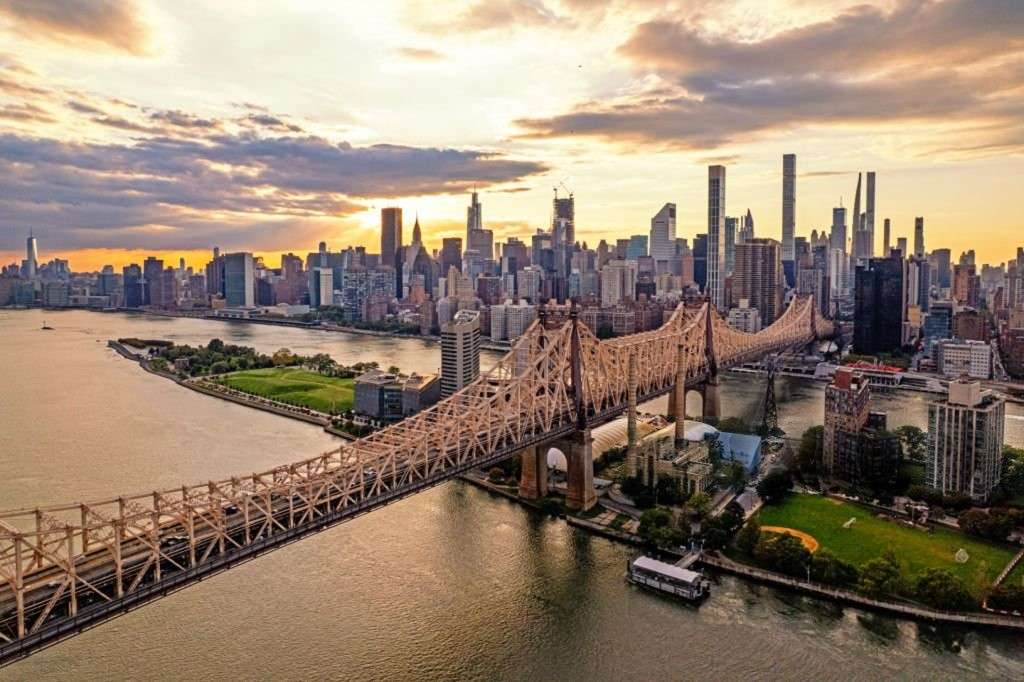
Rockzen Construction offers brick pointing and tuckpointing across Queens. Neighborhoods include Astoria, Long Island City, Forest Hills, and Flushing. The mix of pre-war apartments and brick row houses shapes each project. Lower building density often simplifies scaffold and shed setup.
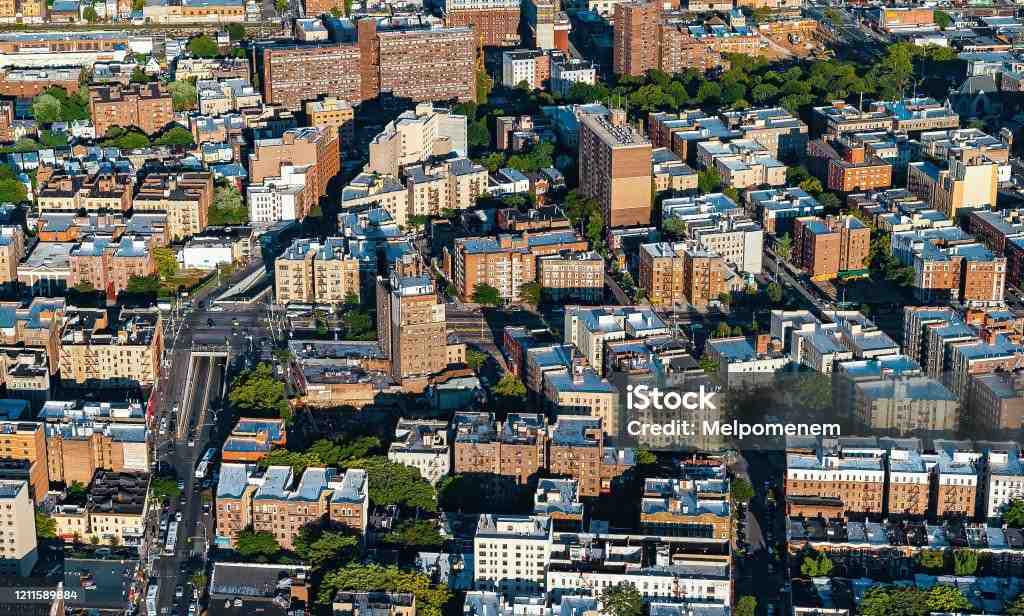
Rockzen Construction offers brick pointing and tuckpointing across the Bronx. Riverdale, Fordham, and Pelham Bay hold most of the active pointing work. Projects often involve substantial mortar restoration on pre-war brick apartments. Aging masonry requires careful joint depth and mortar matching.
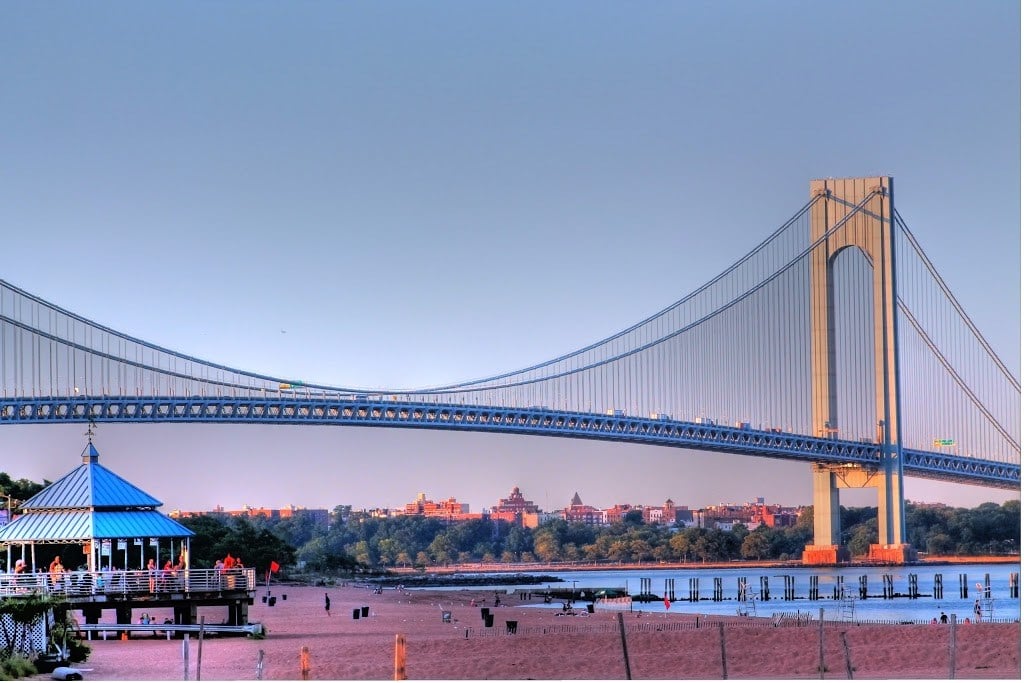
Rockzen Construction offers brick pointing and tuckpointing across Staten Island. Coverage includes St. George, New Dorp, and Great Kills. Wider sidewalks simplify scaffold setup on most residential streets. Coastal exposure accelerates mortar damage on shoreline buildings.
Rockzen Construction holds active NYC DOB registration and DCWP licensing. Ten years of NYC masonry experience back every project. Over 500 completed facade projects across all five boroughs. An A+ Better Business Bureau rating reflects consistent quality and reliable compliance.
Rockzen contractors hold active NYC DOB registration and DCWP licensing. Full general liability insurance and workers compensation cover every project.
Licensed masons handle every pointing project on site. Historic restoration specialists work on landmark and pre-war buildings.
Rockzen coordinates directly with QEWI engineers on every Local Law 11 project. Single-source coordination eliminates FISP filing delays.
Rockzen manages all NYC DOB, sidewalk shed, scaffolding, and LPC permits. Owners have no direct city agency contact throughout the project.
Every pointing project includes a written completion guarantee. Work that fails DOB inspection is corrected at no additional cost.
Rockzen provides free on-site assessment with written estimates across all 5 boroughs. Assessment includes structural review, permit requirements, and itemized cost breakdown.
Cracked or Missing Mortar Between Bricks
Cracks wider than a quarter inch signal active joint failure. Missing mortar sections expose the brick edge to water. Both conditions accelerate over time without intervention.
Efflorescence on Brick Surfaces
Efflorescence is the white powder forming on brick faces. It signals active water movement through the masonry. The salt deposits indicate mortar or brick is dissolving somewhere behind the surface.
Spalling Brick and Surface Damage
Spalling is the surface of the brick breaking away in chips. It usually starts near failed mortar joints. Freeze damage inside the brick is the most common cause.
Water Staining and Interior Leaks
Dark staining below cornices or window sills shows water entry paths. Interior leaks below the top floor often trace to failed pointing. Both signs need professional assessment before further deterioration.
Loose Brick and Structural Movement
Loose brick means the mortar bond has failed completely. Any brick that rocks under hand pressure needs immediate attention. NYC DOB may classify this as Unsafe depending on scope.
Most Brooklyn buildings need repointing every 25 to 40 years. Brownstones and pre-war brick often need it sooner because of softer historic mortar. Chimneys, parapets, and exposed corners need pointing more frequently than protected wall sections.
Brick pointing is labor-intensive, skilled masonry work. It also requires DOB permits, scaffolding, and often sidewalk sheds in NYC. Historic mortar matching adds testing costs. Skipping any of these steps causes early failure, so the price reflects doing it right.
No, not for a full facade in NYC. DOB permits, scaffolding, and licensing requirements apply to most facade pointing work. Small interior brick or a single chimney joint may be possible for a skilled homeowner. Any exterior work above the ground floor needs a licensed contractor.
Water enters the wall through failed joints and causes internal damage. Freeze-thaw cycles then crack the brick itself, not just the mortar. Interior leaks, spalling brick, and structural movement follow. Ignored pointing eventually leads to costly full facade restoration.
Brownstones and Pre-War Rowhouses
Brownstones use lime-based mortar with softer historic brick. Lime pointing preserves structural integrity without cracking the original brick.
Pre-War Apartment Buildings
Pre-war apartments have brick facades built between the 1830s and 1930s. Mortar matching requires period-correct materials and color testing.
Commercial and Mixed-Use Buildings
Commercial facades often use harder Type S or N mortar. Local Law 11 FISP applies to all commercial buildings over six stories.
Landmark and Historic District Buildings
Landmark restoration requires LPC approval and carbon-tested mortar. Historic specialists match original mortar composition, texture, and color.
Modern Brick and Steel-Frame Buildings
Modern facades use standardized brick and mortar systems. Pointing follows current NYC Building Code and manufacturer specifications.
Type S is a high-strength cement mortar for load-bearing and modern masonry. Type N is a medium-strength general-purpose mortar for most residential work. Historic buildings need lime or Type O, not Type S.
Standard homeowners insurance typically does not cover gradual mortar deterioration. Sudden damage from storms or impact may qualify. Verify coverage with your insurance provider directly.
Rockzen provides 24-hour emergency response for Unsafe mortar conditions. Emergency sidewalk sheds install immediately to protect pedestrians while planning begins.
Rockzen Construction provides free on-site brick pointing assessment across all 5 NYC boroughs. Every project includes DOB permit filing, licensed masonry work, and a written completion guarantee. Contact Rockzen today to book your assessment or request emergency response.