Rockzen Construction is a licensed parapet wall contractor serving all five NYC boroughs. We repair, rebuild, and waterproof parapet walls on residential, commercial, and landmark buildings. Every project follows NYC DOB and Local Law 11 FISP standards. We handle full permit filing and provide a written completion guarantee.
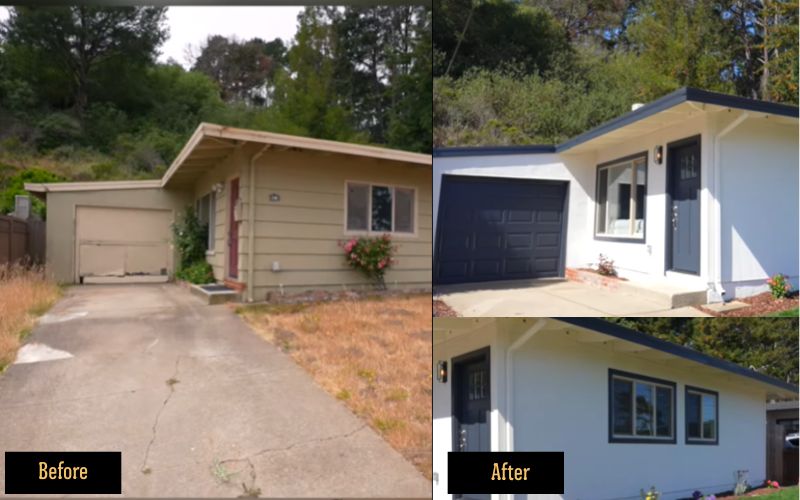
A parapet wall is the masonry section extending above the roofline of a NYC building. The parapet protects the roof edge, blocks falling debris, and prevents water entry. NYC Building Code requires parapet walls on most flat-roof buildings. Common materials include brick, stone, and concrete masonry.
NYC experiences 50 to 60 freeze-thaw cycles every year. Parapet walls take the worst of this weather. Regular inspection keeps the masonry safe and code-compliant.
Parapet walls fail from constant weather exposure on all sides. Water, freeze-thaw cycles, rusting steel, and aging mortar cause most damage. According to NYC DOB FISP data, parapet failure is one of the top 3 causes of facade violations citywide.
NYC experiences over 100 freeze-thaw cycles every year. Water enters mortar joints, freezes, and expands by 9%. The expansion cracks mortar and breaks brick units apart. Over time, this cycle destroys parapet integrity.
Coping stones cap the top of the parapet. When joints between coping stones crack, water enters the masonry core. Trapped water freezes, expands, and pushes the parapet apart from the inside.
Flashing seals the joint where the parapet meets the roof. Failed flashing lets water flow into the building. Most parapet-related roof leaks trace back to broken flashing.
Many older NYC parapets contain embedded steel beams or anchor bolts. When water reaches the steel, rust forms and expands up to 10 times its original size. This pressure cracks brick and pushes coping stones loose.
Mortar weakens naturally over 30 to 50 years. Acid rain, freeze-thaw, and weathering speed up the process. Cracked or missing mortar allows water entry and weakens the entire parapet structure.
Rockzen Construction provides 7 parapet wall services for NYC residential and commercial buildings. Licensed masons, certified roofers, and structural engineers handle every project. All work meets NYC DOB and Local Law 11 FISP standards with full insurance and a written completion guarantee.
Parapet wall repair addresses cracked mortar joints, loose brick units, and surface damage. Brick repointing uses specialty mortar mix and brick ties to restore structural integrity. Rockzen Construction uses lime mortar for pre-war buildings and Portland cement for modern construction.
Coping stones protect the parapet top from water entry. Cracked or loose coping must be repaired or fully replaced. Rockzen Construction sources matching stone veneer and installs new coping with proper 1:4 drainage slope.
Flashing seals the parapet-to-roof junction against water entry. Common materials include lead, aluminum, and EPDM membrane. Rockzen Construction installs new flashing systems integrated with the existing roofing assembly.
Parapet replacement is required when structural damage cannot be repaired locally. Full demolition, debris removal, and rebuilding with new masonry restores the parapet completely. Rockzen USA Construction handles permit filing, scaffolding system setup, and full reconstruction for NYC buildings of all heights.
New parapet installation is required after major roof work or building modifications. Installation must meet NYC Building Code height and structural requirements. Rockzen Construction builds new parapets to current code with proper waterproofing and flashing integration.
Unsafe parapet conditions must receive an immediate response within 24 hours. Emergency sidewalk sheds and safety netting keep pedestrians safe while workers plan repairs. Rockzen Construction provides 24-hour emergency parapet repair across all 5 NYC boroughs.
RockzenNYC parapet wall repair follows 6 sequential steps from initial assessment through final inspection. A DOB-registered contractor manages every step. This eliminates all direct city agency contact throughout the project. Each step requires specific permits, materials, and inspections. Licensed masons, roofers, and structural engineers handle the technical work. Building inspectors confirm compliance at each milestone.
Repairing a parapet wall in NYC usually costs $2,000 to $20,000+ per project. For standard residential repairs, prices often range from $5,000 to $20,000. Larger structural rebuilds can cost over $50,000. Extensive or full-building parapet reconstruction may go above $300,000.
The final price depends on several factors: the wall’s condition, linear footage, building height, accessibility, scaffolding, and the needed DOB safety measures.
| Type of Repair | Typical Scope | Estimated NYC Cost |
|---|---|---|
| Minor Mortar Repointing | Small sections with deteriorated joints or tuckpointing | $2,000 – $5,000 |
| Localized Brick Replacement | Replacement of limited cracked, loose, or spalled bricks | $3,000 – $8,000 |
| Coping Repair / Replacement | Repair, resetting, or replacement of stone or metal coping | $4,000 – $12,000 |
| Partial Parapet Rebuild | Structural replacement of failing or bulging sections | $8,000 – $20,000+ |
| Full Parapet Reconstruction | Complete removal and rebuilding down to the roofline | $20,000 – $50,000+ |
| Extensive / Large-Building Reconstruction | Major structural parapet restoration across a large building | $50,000 – $300,000+ |
NYC facade restoration takes between 2 weeks and 18 months. Timeline depends on deterioration extent, building height, and NYC DOB permit approvals. Buildings with Unsafe classifications begin emergency restoration mobilization within 48 to 72 hours of contractor engagement.
5 factors affect total parapet wall repair timeline:
| Project Stage | Typical Timeline |
|---|---|
| Inspection & Engineering | 1 to 3 days |
| Permits & DOB Filing | 2 to 6 weeks |
| Scaffold / Sidewalk Shed Setup | 2 to 5 days |
| Active Repair / Rebuild | 2 days to 8+ weeks |
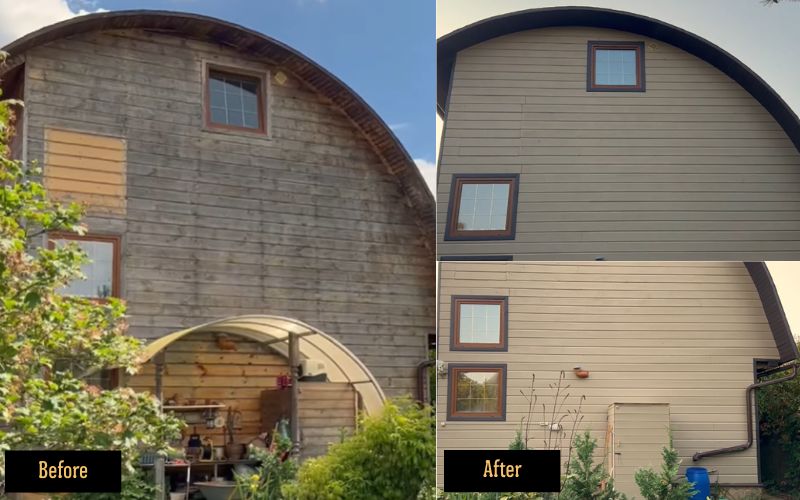
Rockzen provides seven core stucco services in NYC. These cover residential, commercial, and historic buildings. Work ranges from minor crack repair to full facade restoration. Every project meets NYC Department of Buildings code.
The DOB requires an alteration permit for repairing, replacing, or installing structural parapets. Standard processing takes 2 to 4 weeks. Expedited processing takes 5 to 10 business days and incurs extra fees.
Sidewalk shed permits protect pedestrians during parapet work above the ground floor. Unsafe classifications need sheds within 24 hours of QEWI filing. Shed permits cost $300 to $800 plus monthly maintenance fees.
You must get scaffold permits when you install them over public right-of-way. Permit fees vary by building height, scaffold type, and duration. Workers must install safety netting on scaffolds above six stories.
Properties in Landmark Preservation Commission districts need LPC permits before parapet work begins. LPC requires matching materials and period-correct mortar. Processing adds 2 to 6 weeks to project timelines.
Rockzen stucco repair follows six steps from assessment to inspection. Crews manage permits, materials, and compliance paperwork. The full process takes two to six weeks by scope.
01.
Rockzen Construction begins with a thorough assessment of the parapet. Our Team look for cracked or loose masonry, any damage to the coping, and deteriorated mortar. They also check for flashing problems and signs of water infiltration. The assessment determines the extent of repair needed.
02.
Permits, filings, or engineering documents might be needed before starting structural work. This depends on the repair scope and property location.
03.
We carefully remove loose bricks, weak mortar, damaged stucco, or unstable sections. This allows us to repair the surface underneath.
04.
We repair or replace damaged backup materials. The parapet masonry is rebuilt with the right materials and secure connections.
05.
Workers repair or install flashing, coping joints, and water-management elements. We direct water away from the parapet and help prevent further deterioration.
06.
Crews apply breathable waterproofing at coats, flashing, and joints. A final DOB inspection confirms the work meets code. Owners receive completion documentation and the written warranty.
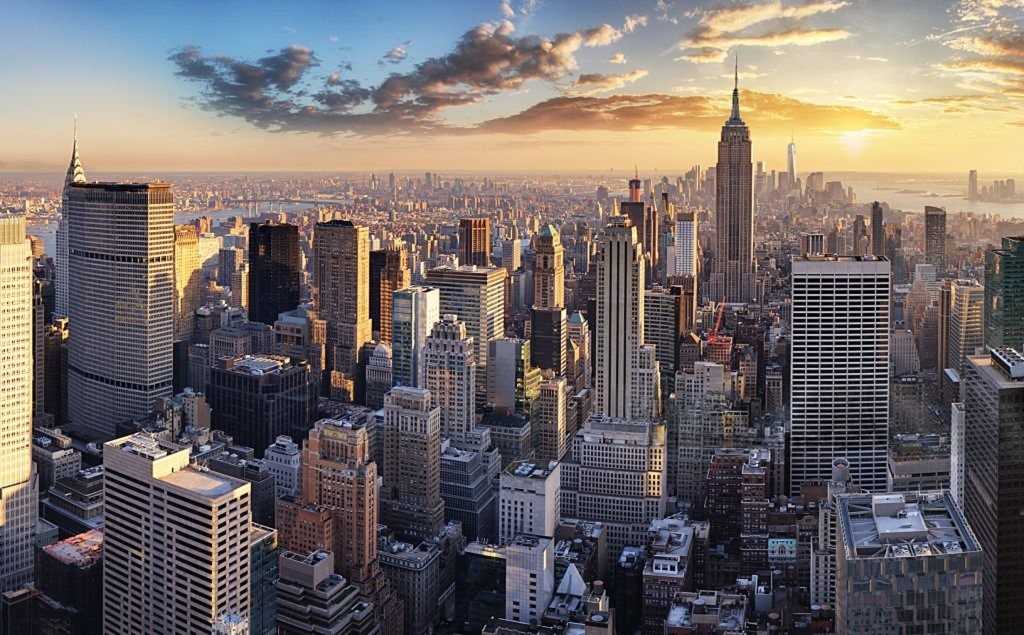
RockZen Construction specializes in parapet wall installation, repair, and replacement in Manhattan. We serve neighborhoods such as Greenwich Village, SoHo, Tribeca, and the Upper West Side. LPC rules, landmark restrictions, high-rise access, and sidewalk shed costs impact project planning.
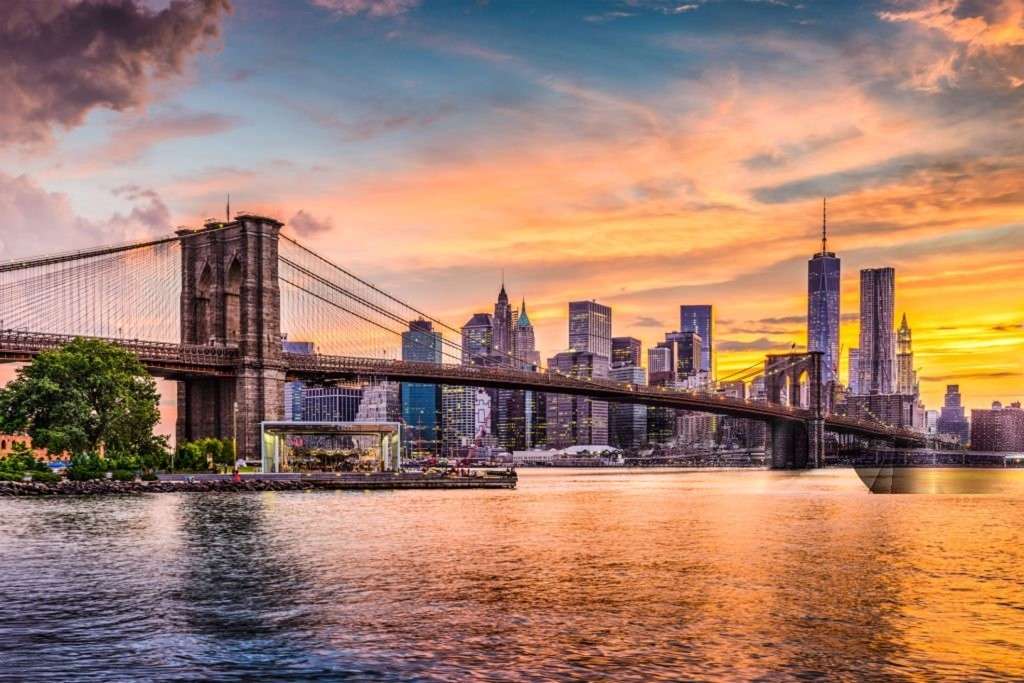
Brooklyn has many brownstone parapet projects. RockZen Construction specializes in parapet installation, repair, replacement, and lime mortar repointing. We provide historic material matching for homes in Park Slope, Crown Heights, and Carroll Gardens.
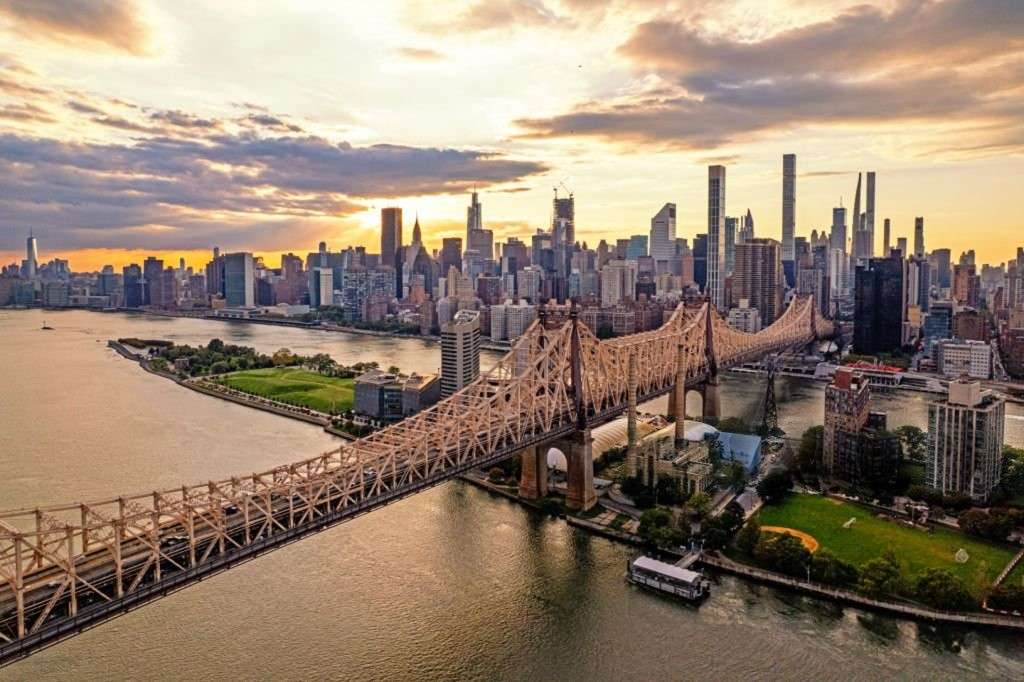
RockZen Construction offers parapet wall installation, repair, and replacement in Queens. We work on pre-war apartments, brick row houses, and commercial buildings. We consider site access, curb cuts, driveways, scaffolding, and the placement of sidewalk sheds when planning.
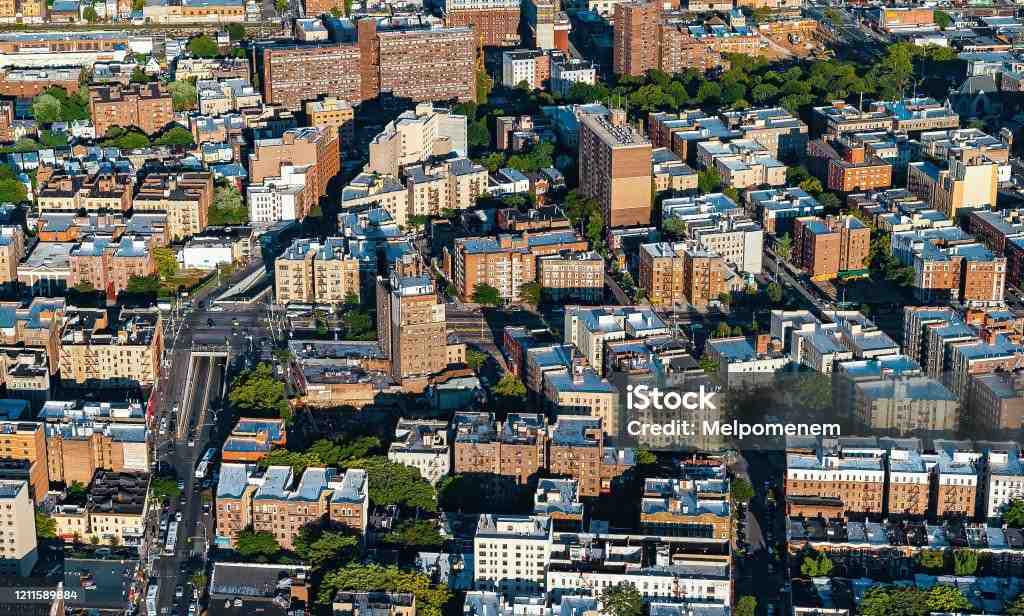
Rockzen Construction specializes in repairing, installing, and replacing parapet walls for older homes and businesses in the Bronx. Projects with settlement, subgrade issues, or older buildings may need a structural assessment before major repairs.
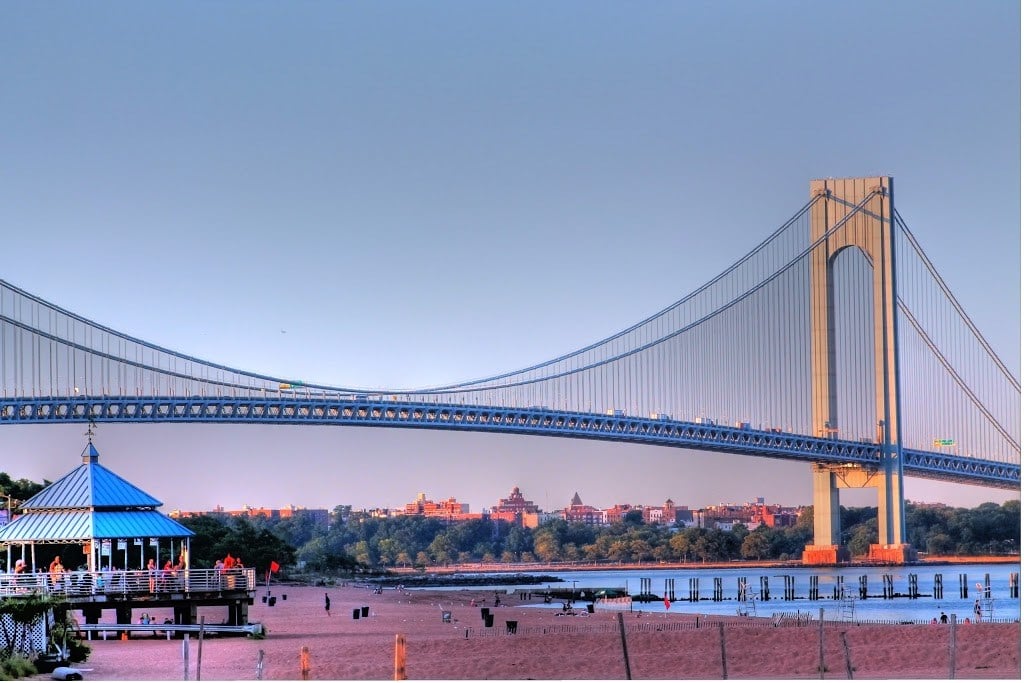
Rockzen Construction offers parapet wall installation, repair, and replacement throughout Staten Island. Lower-density properties make scaffold access simpler. Shoreline buildings often need repairs due to freeze-thaw cycles and coastal weather damage.
Rockzen Construction has DOB-registered and DCWP-licensed parapet contractors with 10 years of NYC masonry experience. Over 500 completed facade projects across all five boroughs back every claim. An A+ Better Business Bureau rating reflects consistent quality and reliable compliance.
Rockzen contractors hold active NYC Department of Buildings registration and DCWP licensing. All crews follow OSHA safety standards on every project. Active licensing ensures legal permit filing and inspection coordination.
Apartment repair covers pre-war cement plaster and modern EIFS. Buildings over six stories need Local Law 11 compliance. Multi-unit properties benefit from full assessment before repairs.
Licensed masons, certified roofers, and structural engineers manage each parapet project. Historic preservation specialists focus on landmark buildings needing LPC-approved methods. Our in-house team avoids delays from subcontractor coordination.
We coordinate directly with QEWIs on every Local Law 11 parapet project. Single-source coordination prevents delays in FISP report filing. This approach accelerates SWARMP and Unsafe condition resolution.
Every parapet project includes a written completion guarantee. We correct work that fails DOB inspection at no extra cost. The guarantee protects owners from inspection-related rework costs.
Rockzen offers free on-site parapet assessments with written estimates in all five boroughs. The assessment covers a structural review, permit needs, and a detailed cost breakdown. Contact Rockzen today for expert parapet wall services in NYC.
Rockzen Construction provides free on-site parapet assessment across all five NYC boroughs. Each project has three key parts: DOB permit filing, licensed masonry work, and a written completion guarantee. Contact Rockzen today to book your assessment.
NYC parapet walls give clear warning signs before structural failure. Spotting these early prevents emergency repair costs and DOB violations. Most signs are visible from the street or roof.
Cracks wider than a quarter inch signal active structural movement. Displaced brick units mean the parapet has lost bonding integrity. These conditions need professional structural assessment.
Efflorescence and Water Staining
Efflorescence is the white powder forming on brick surfaces. It signals active water movement through the masonry. Water staining shows where moisture is migrating into the envelope.
Roof Leaks Below the Parapet Line
Leaks at the top floor or roof level often trace to parapet failure. Failed coping or flashing lets water enter directly. Ignoring leaks accelerates interior damage and internal rust jacking.
Bulging or Leaning Parapet Sections
Bulging parapets indicate severe structural failure. Leaning sections mean the masonry is at risk of collapse. NYC DOB classifies these as Unsafe and triggers a 24-hour sidewalk shed.
NYC DOB Unsafe Classification Triggers
NYC DOB issues an Unsafe classification when a parapet creates immediate falling-debris risk. The five triggers for Unsafe classification are:
Visible structural displacement or leaning
Loose coping stones or missing sections
Cracks wider than a half inch
Severe rust jacking through brick surfaces
Bulging masonry more than an inch out of plumb.
Repair fixes specific problems, such as loose coping or cracked mortar. Replacement means tearing down and rebuilding when local repairs can't solve structural issues.
Unsafe is the most severe NYC DOB facade classification. Unsafe parapets must sidewalk shed installation within 24 hours. Owners face $1,000 monthly penalties until repairs complete.
SWARMP means Safe With A Repair and Maintenance Program. SWARMP parapets must be repaired before the next FISP sub-cycle deadline.
Local Law 11 requires NYC buildings over six stories to inspect facades every five years. Parapets are primary inspection targets. SWARMP and Unsafe defects require repair before deadlines.
Five main signs: cracks wider than a quarter inch, efflorescence, roof leaks, bulging or leaning sections, and displaced brick units.
Coping stone is the cap covering the top of the parapet. It sheds water away from the masonry core. Failed coping allows water entry that destroys parapet integrity.
NYC Building Code requires a minimum of 3 feet 6 inches above the finished roof level. Landmark buildings may require approved alternative heights based on original construction.
Rust jacking occurs when embedded steel rusts and expands. The expansion cracks brick and pushes coping stones loose. Inspection identifies rust jacking before structural failure.
Yes. New parapet installation is common after major roof work or code upgrades. Installation must meet current NYC Building Code height and structural specifications.
FISP is the official program name. Local Law 11 is the original 1998 legislation. Both terms refer to the same NYC facade inspection requirement.
Sidewalk sheds are required for Unsafe classifications and most work above the ground floor. NYC DOB requires sheds within 24 hours of Unsafe filing.
NYC parapets face full exposure on all sides. Freeze-thaw cycles combined with rain, snow, and pollution accelerate damage. Regular maintenance prevents major failures.
Standard homeowners insurance typically does not cover gradual deterioration. Sudden damage from storms or impact may qualify. Verify coverage with your insurance provider directly.